Active Beauty Life is your trusted destination for science-backed skincare routines, anti-aging solutions, and holistic wellness guides.

There is a popular belief that a good, sweaty workout flushes toxins and clears your pores, giving you that post-gym glow. But is this actually true, or is it just a fitness myth? If you have ever wondered whether does sweating during exercise clear pores or actually cause breakouts, this article breaks down the science, separates fact from fiction, and gives you practical tips to keep your skin clear while staying active.
What Happens When You Sweat?
Sweating is your body’s primary thermoregulation mechanism. When your core temperature rises during exercise, your eccrine sweat glands (found all over the body) produce sweat to cool you down through evaporation.
Sweat is composed primarily of:
- Water (99%): The main component of sweat.
- Sodium and electrolytes: Small amounts of salt, potassium, and other minerals.
- Trace amounts of urea, ammonia, and lactic acid: Metabolic waste products.
- Antimicrobial peptides: Including dermcidin, which has natural antibacterial properties.
Importantly, sweat glands and pores are two separate structures. Sweat exits through sweat ducts, while pores are the openings of hair follicles connected to sebaceous (oil) glands. This distinction is crucial for understanding whether sweating actually clears pores.
Does Sweating Clear Pores? The Science
The short answer: Not directly, but sweating can indirectly benefit your pores.
What Sweating Does NOT Do
- Sweat does not flush out pore-clogging debris: Since sweat exits through separate sweat ducts, not through pores, the act of sweating does not push out sebum, dead skin cells, or blackhead-forming debris from within pores.
- Sweat does not detoxify through your skin: The liver and kidneys are your primary detoxification organs. While sweat contains trace amounts of waste products, it is not a meaningful detox pathway.
- Sweat does not shrink pores: Pore size is determined by genetics, oil production, and age, not by sweating.
What Sweating CAN Do for Your Skin
- Natural antimicrobial action: Sweat contains dermcidin, a peptide with antibacterial and antifungal properties. This can help control the population of bacteria on your skin’s surface, potentially reducing acne-causing bacteria.
- Increased blood circulation: Exercise-induced sweating comes with increased blood flow, delivering oxygen and nutrients to skin cells. This enhanced circulation is what creates the healthy post-workout glow.
- Surface moisture flush: While sweat does not clear inside pores, the moisture on the skin’s surface can help loosen surface-level debris, making it easier to cleanse effectively after your workout.
- Stress and cortisol reduction: Exercise lowers cortisol levels, which in turn reduces cortisol-driven oil production and inflammation that contribute to clogged pores.
Can Sweating Actually Cause Breakouts?
Ironically, while sweating itself is not harmful, leaving sweat on your skin after exercise can actually trigger breakouts through several mechanisms:
1. Sweat Traps Bacteria
Sweat creates a warm, moist environment on the skin’s surface where bacteria thrive. If you do not cleanse after sweating, bacterial populations can multiply rapidly, increasing the risk of breakouts and folliculitis.
2. Sweat Mixes with Oil and Debris
When sweat mixes with sebum, makeup, sunscreen, and environmental pollutants on your skin, it can create a pore-clogging paste. This combination is a primary cause of post-workout breakouts.
3. Friction and Occlusion
Tight workout clothes, headbands, hats, and helmets trap sweat against the skin, causing acne mechanica, breakouts caused by heat, friction, and occlusion. This is common on the forehead, back, chest, and along bra lines.
4. pH Disruption
Sweat is slightly alkaline, while healthy skin has a slightly acidic pH (around 4.5 to 5.5). Prolonged sweat exposure can temporarily raise skin pH, disrupting the acid mantle and making the skin more susceptible to bacterial infection and irritation.
How to Keep Your Skin Clear While Working Out
Before Your Workout
- Cleanse your face: Remove all makeup, sunscreen, and skincare products before exercising. Working out with a full face of products dramatically increases the risk of clogged pores.
- Skip heavy products: If you need sun protection for outdoor workouts, use a lightweight, non-comedogenic, sweat-resistant mineral sunscreen.
- Tie hair back: Keep hair off your face to prevent hair products and oils from transferring to your skin during exercise.
During Your Workout
- Use a clean towel: Pat (do not rub) sweat away with a clean, dedicated gym towel. Avoid using your hands or shared towels.
- Do not touch your face: Your hands contact gym equipment covered in bacteria. Touching your face transfers these bacteria to sweaty, open pores.
- Wear moisture-wicking fabrics: Choose breathable, moisture-wicking materials that pull sweat away from the skin rather than trapping it.
After Your Workout
- Cleanse within 10 to 15 minutes: The sooner you wash off sweat, the lower the risk of breakouts. Use a gentle cleanser with salicylic acid or glycolic acid for effective post-workout cleansing.
- Shower if possible: A full body cleanse is ideal, especially if you are prone to body acne on the back and chest.
- Change out of sweaty clothes immediately: Do not sit in your gym clothes. Wet, sweaty fabric against the skin promotes bacterial growth and body breakouts.
- Reapply your skincare routine: After cleansing, apply your regular skincare products including moisturizer and sunscreen if going outdoors.
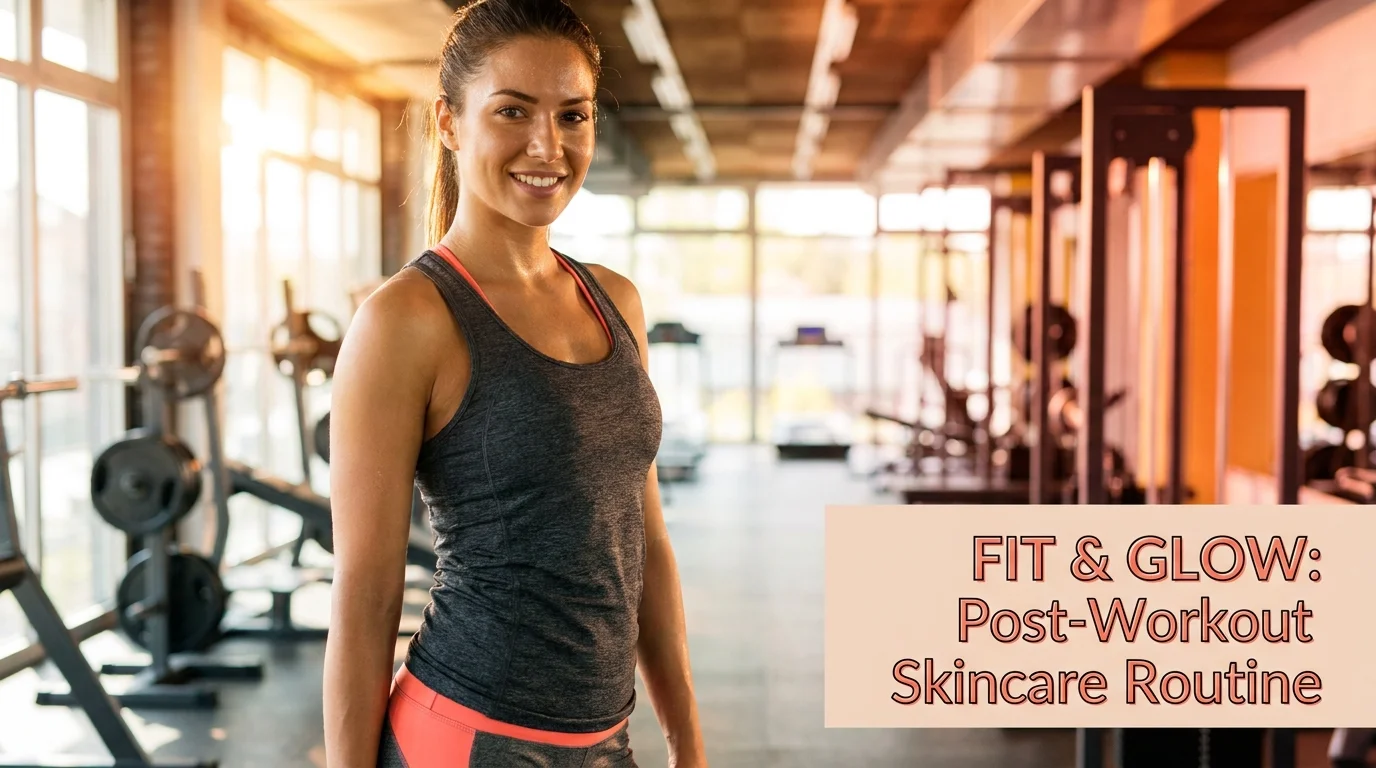
Post-Workout Skincare Routine for Clear Skin
- Micellar water (if shower is not available): Quick, gentle cleansing on the go.
- Gentle cleanser: Salicylic acid or tea tree cleanser to clear pores and control bacteria.
- Niacinamide serum: Calms post-exercise redness and controls oil.
- Lightweight moisturizer: Gel-based or water-based formula that hydrates without clogging pores.
- Sunscreen (if going outdoors): Lightweight, mineral-based SPF 30+.
Exercise and Skin: The Real Benefits
While sweating itself does not clear pores, regular exercise provides significant skin benefits:
- Improved circulation: Delivers nutrients and oxygen to skin cells for a natural, healthy glow.
- Reduced cortisol: Lower stress means fewer stress-related breakouts.
- Better sleep: Regular exercisers sleep better, which enhances nighttime skin repair.
- Increased collagen: Moderate exercise stimulates collagen production, supporting firmer, younger-looking skin.
- Detoxification through improved circulation: Better blood flow supports the liver and kidneys in their actual detoxification roles.
Frequently Asked Questions
Q: Should I wash my face before or after working out?
A: Both. Wash before to remove makeup and products that can clog pores during sweating. Wash after to remove sweat, bacteria, and surface debris. Use a gentle cleanser both times to avoid over-stripping.
Q: Does the steam room or sauna clear pores?
A: Heat and steam can temporarily soften the outer layer of skin and loosen surface debris, making pores easier to cleanse. However, they do not actively push debris out of pores. Follow any steam or sauna session with proper cleansing for the best results.
Q: Can I exercise if I have active acne?
A: Yes, exercise is beneficial for overall skin health even with active acne. Just follow proper pre and post-workout skincare hygiene, avoid touching your face, wear clean workout gear, and cleanse promptly after sweating.
Final Thoughts
Does sweating during workout actually clear your pores? Not directly, but exercise and sweating offer significant indirect skin benefits through improved circulation, stress reduction, and antimicrobial properties in sweat. The key to clear skin while exercising is proper hygiene: cleanse before and after workouts, do not touch your face, change out of sweaty clothes immediately, and use non-comedogenic products.
Embrace your workouts for their genuine skin benefits, but let go of the myth that sweat is flushing toxins from your pores. The real magic of exercise for skin lies in better blood flow, lower cortisol, and the healthy glow that comes from an active lifestyle.