Active Beauty Life is your trusted destination for science-backed skincare routines, anti-aging solutions, and holistic wellness guides.
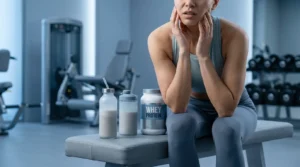
Does Whey Protein Cause Cystic Acne After Workout?
You hit the gym hard, chug your protein shake, and then wake up the next morning with angry, painful cystic acne. Sound familiar? If you have been wondering whether does whey protein cause cystic acne after workout, you are not alone. Thousands of fitness enthusiasts report breakouts that seem directly linked to their protein supplement routine. In this article, we explore the science behind the whey protein and acne connection, explain why it happens, and offer practical solutions so you can fuel your workouts without wrecking your skin.
What Is Cystic Acne and Why Is It Different?
Cystic acne is the most severe form of acne. Unlike regular pimples that sit on the skin’s surface, cystic acne forms deep under the skin as large, inflamed, painful nodules filled with pus. These cysts can last for weeks, leave permanent scars, and are notoriously difficult to treat with over-the-counter products.
Cystic acne is driven by a combination of factors:
- Excess sebum production triggered by hormonal fluctuations
- Bacterial infection deep within clogged pores
- Chronic inflammation in the skin
- Hormonal imbalances, particularly androgens like testosterone and IGF-1
Understanding these triggers is key to understanding why whey protein can cause cystic breakouts in some people.
The Science: How Whey Protein Triggers Acne
Whey protein is derived from milk during the cheese-making process. It is one of the most popular sports supplements worldwide. However, several scientific mechanisms explain why it can trigger or worsen acne:
1. Whey Protein Spikes Insulin and IGF-1
Whey protein is highly insulinogenic, meaning it causes a significant spike in insulin levels after consumption. Elevated insulin stimulates the liver to produce more Insulin-like Growth Factor 1 (IGF-1).
IGF-1 is a hormone that plays a major role in acne development because it:
- Increases sebum (oil) production in the skin
- Stimulates the growth of skin cells that can clog pores
- Amplifies androgen activity, making the skin more acne-prone
- Promotes inflammation throughout the body, including the skin
A study published in the Journal of the American Academy of Dermatology found a direct correlation between dairy consumption, elevated IGF-1 levels, and acne severity.
2. Dairy-Based Hormones
Whey comes from cow’s milk, which naturally contains hormones such as estrogens, progesterone, and androgen precursors. These hormones can disrupt your body’s hormonal balance and stimulate the sebaceous glands to overproduce oil, creating the perfect environment for cystic acne.
3. Leucine Content
Whey protein is exceptionally high in the amino acid leucine. While leucine is fantastic for muscle protein synthesis, it also activates a cellular pathway called mTORC1. Overactivation of mTORC1 has been linked to increased sebum production and inflammatory acne.
4. Gut-Skin Axis Disruption
Some people experience digestive issues with whey protein, including bloating, gas, and gut inflammation. An imbalanced gut microbiome can trigger systemic inflammation that manifests as acne on the skin. This gut-skin connection is increasingly recognized by dermatologists.
Who Is Most at Risk for Whey Protein Acne?
Not everyone who takes whey protein will break out. Certain individuals are more susceptible:
- People with acne-prone skin: If you already have a tendency toward breakouts, whey protein can amplify the problem.
- Those with lactose sensitivity: Even mild dairy sensitivity can trigger inflammation and acne.
- Teenagers and young adults: Higher baseline androgen levels make this age group more vulnerable.
- Women with hormonal imbalances: Conditions like PCOS can make the skin extra sensitive to dairy-derived hormones.
- Heavy supplement users: Consuming multiple protein shakes daily increases the hormonal and insulin impact.
Signs Your Acne Is Caused by Whey Protein
How can you tell if your breakouts are protein-related? Look for these patterns:
- Timing: Acne appears or worsens within days to weeks after starting whey protein supplementation.
- Location: Breakouts commonly appear on the jawline, cheeks, back, and chest, areas heavily influenced by hormonal acne.
- Type: The acne is predominantly cystic or nodular, deep and painful, rather than surface-level whiteheads.
- Correlation: Acne improves significantly when you stop taking whey protein and returns when you restart.
How to Prevent Acne While Taking Protein Supplements
Option 1: Switch to a Non-Dairy Protein
The most effective solution is replacing whey protein with a plant-based or non-dairy alternative. Excellent options include:
- Pea protein: High in BCAAs, easily digestible, and acne-safe.
- Rice protein: Gentle on the stomach and free from dairy hormones.
- Hemp protein: Rich in omega-3 fatty acids, which are anti-inflammatory.
- Egg white protein: Complete protein without the dairy-related hormonal concerns.
- Soy protein isolate: Effective muscle builder, though some people prefer to avoid soy for other reasons.
Option 2: Try Whey Protein Isolate
If you want to stick with whey, try switching from whey concentrate to whey protein isolate (WPI). WPI undergoes additional processing that removes most of the lactose, fat, and hormones, potentially reducing its acne-triggering effects. However, it may still cause breakouts in highly sensitive individuals.
Option 3: Reduce Your Dosage
Sometimes, the issue is not whey protein itself but the amount consumed. Try cutting your daily whey intake in half and supplementing the remaining protein needs through whole food sources like chicken, fish, eggs, and legumes.
Option 4: Support Your Gut Health
If gut disruption is contributing to your breakouts, consider adding a high-quality probiotic supplement alongside your protein. Probiotics help maintain a healthy gut microbiome and can reduce the systemic inflammation that drives acne.
Option 5: Implement an Anti-Acne Skincare Routine
While addressing the root cause internally, support your skin externally with:
- Salicylic acid cleanser: Clears pores and reduces inflammation.
- Niacinamide serum: Controls oil production and calms redness.
- Non-comedogenic moisturizer: Hydrates without clogging pores.
- Benzoyl peroxide spot treatment: Kills acne-causing bacteria in active cysts.
What the Dermatologists Say
Many dermatologists now routinely ask acne patients about their supplement use. Dr. Whitney Bowe, a board-certified dermatologist, has noted that whey protein is one of the most common dietary triggers she sees in her practice. She recommends a two-week elimination trial: stop all whey protein for 14 days and monitor your skin. If acne improves noticeably, whey is likely a contributing factor.
The American Academy of Dermatology acknowledges the link between dairy and acne, with several position papers suggesting that dairy products, including whey supplements, may aggravate acne in susceptible individuals.
Frequently Asked Questions
Q: Does whey protein isolate cause less acne than whey concentrate?
A: Yes, whey protein isolate has less lactose and fewer dairy hormones, which may reduce acne risk. However, it can still spike insulin and IGF-1, so it may not completely eliminate breakouts for highly sensitive individuals.
Q: How long after stopping whey protein does acne clear up?
A: Most people see improvement within 2 to 4 weeks after stopping whey protein. Cystic lesions that have already formed may take 4 to 6 weeks to fully heal. Consistency with skincare and avoiding dairy during this period speeds recovery.
Q: Can I take whey protein if I have mild acne?
A: If you have mild, manageable acne, you can try whey protein isolate at lower doses while monitoring your skin. If breakouts increase, switch to a plant-based protein. Everyone’s tolerance is different.
Final Thoughts
So, does whey protein cause cystic acne after workout? For many people, yes, it absolutely can. The combination of insulin spikes, elevated IGF-1, dairy hormones, and high leucine content creates a hormonal storm that triggers deep, painful cystic breakouts, especially in those already prone to acne.
The good news is that solutions exist. Switching to a plant-based protein, reducing your dosage, supporting gut health, and maintaining an anti-acne skincare routine can help you build muscle without sacrificing your skin. Listen to your body, and if your skin is telling you something, pay attention.